Project Description
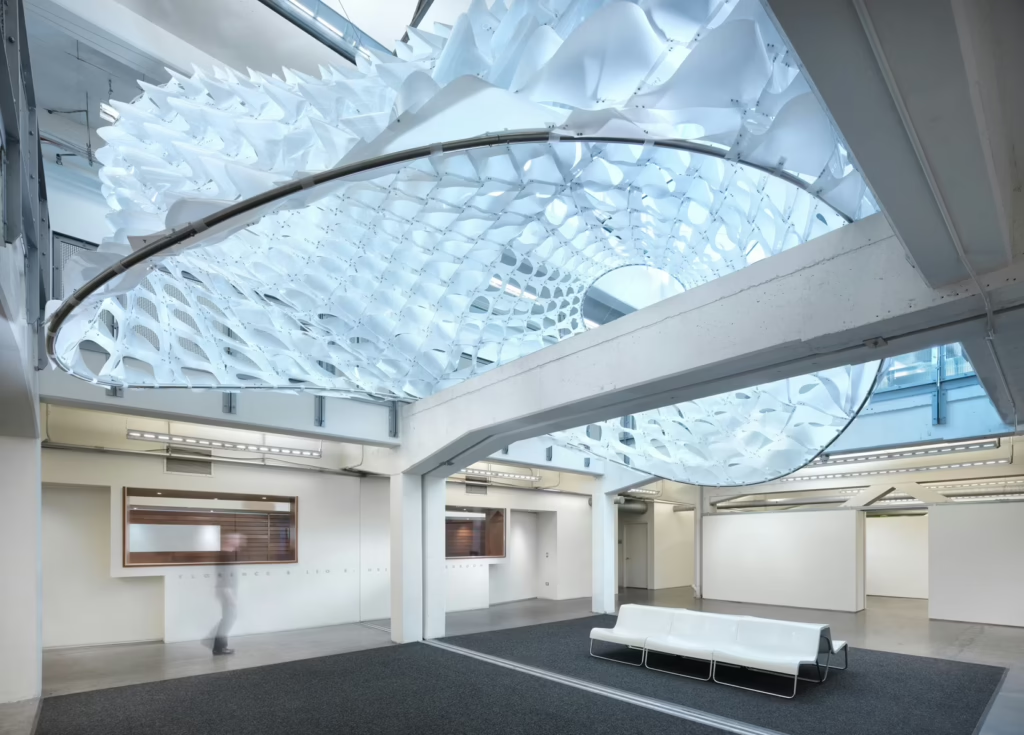
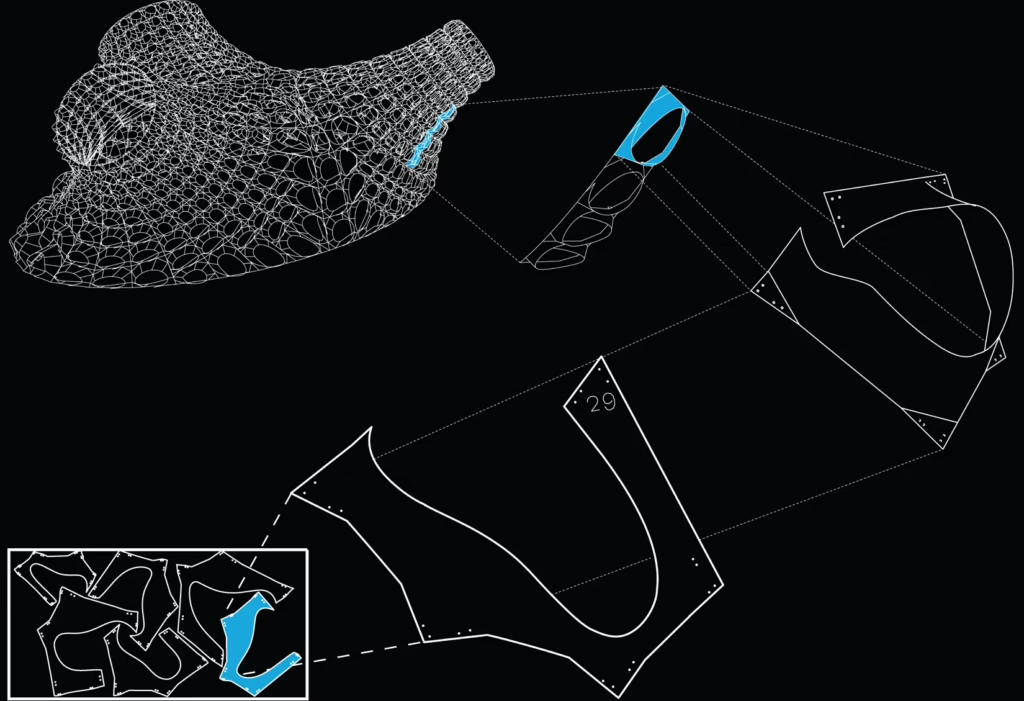
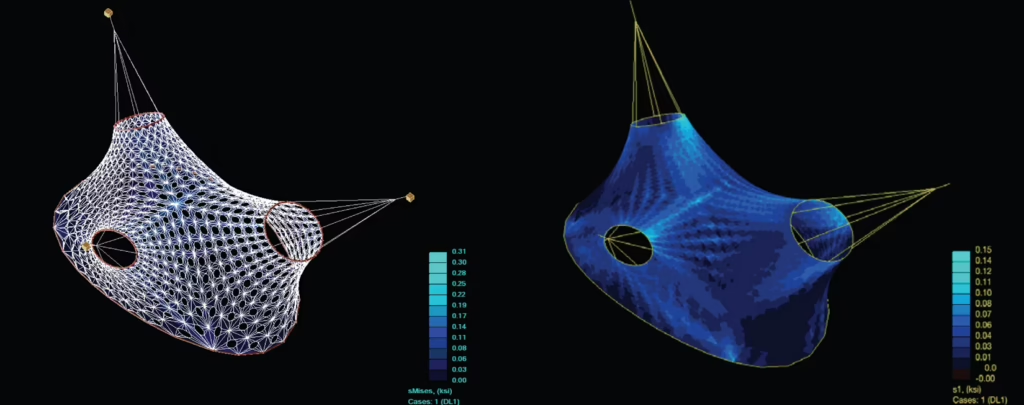
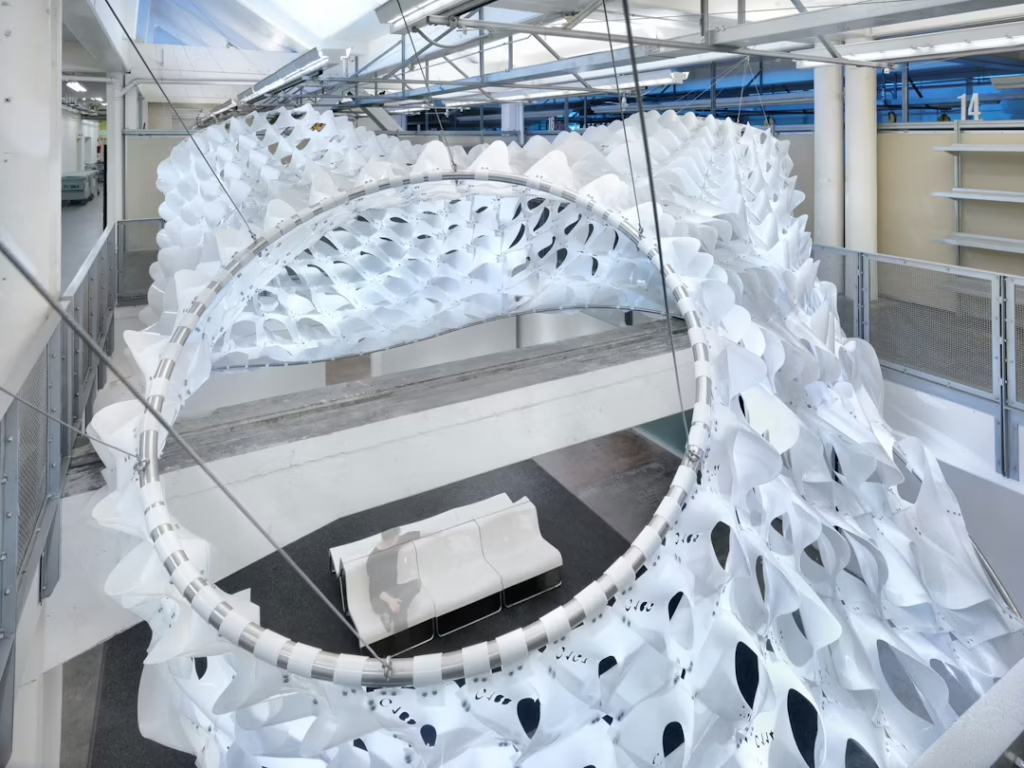
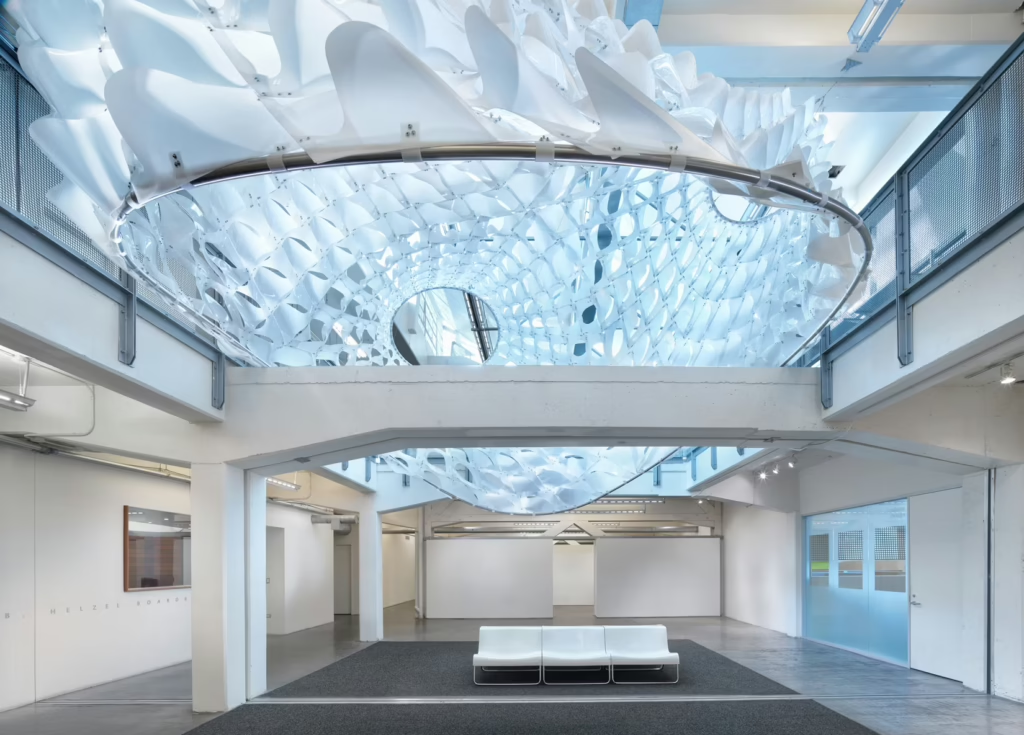
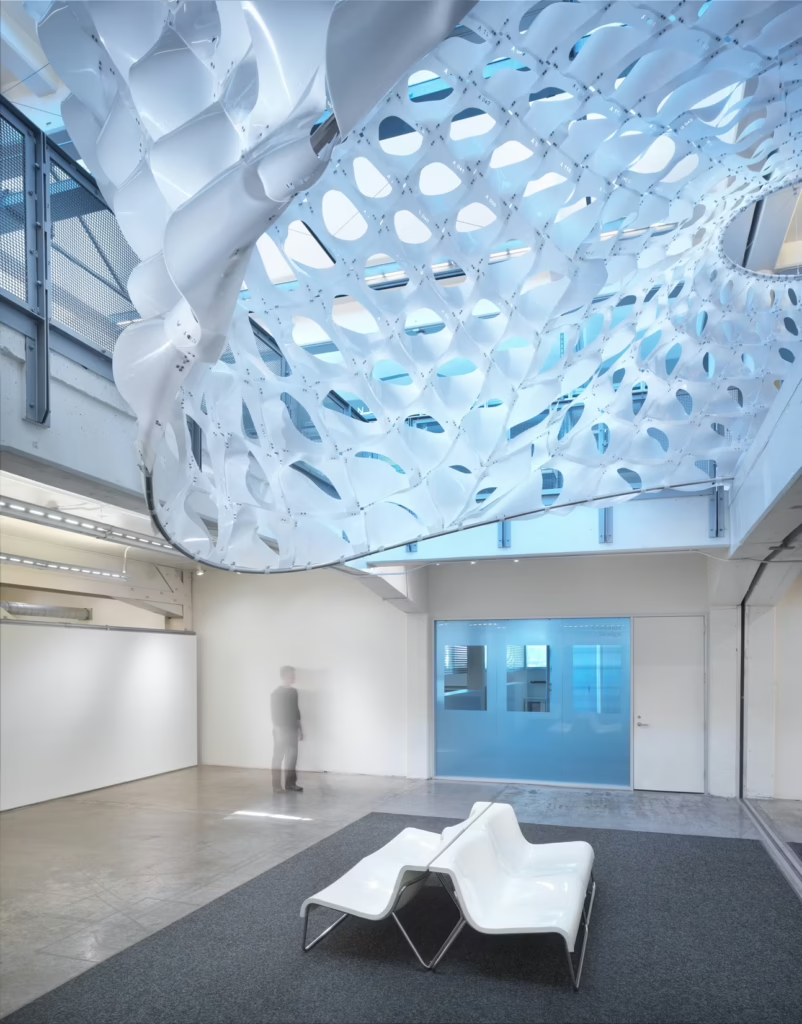
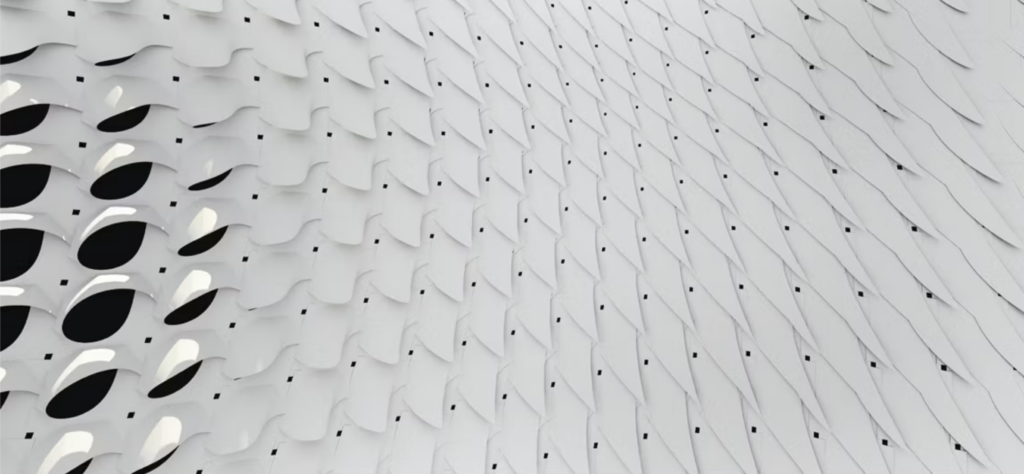
A new canopy for a student lounge at the California College of the Arts (CCA) hangs within a double-height space and functions as a light scope, spatial definer, and viewing portal. The minimum surface structure is made up of 546 unique HDPE panels linked to one another by over 4000 pop-rivets. The name of the piece comes from its resemblance in form to a portion of the human heart and the fact that it leaps over an existing structural beam. The surface is suspended from three upper stainless steel rings (two circular, one elliptical) that are held and hold each other in tension. A singular large parabolic ring functions as a ‘hoop skirt’ below. The technical and artistic challenges are unique and did not allow for a conventional approach. Collaborating closely with the designers, the engineers employed non-linear analysis tools and parametric BIM technology to model and predict the final minimal energy form of the piece that structurally behaves as a hybrid between a cable-net and membrane structure. A panelized system was developed using Generative Components and a customized Rhino script that took the raw data and turned it into a drawing file to drive a CNC milling machine that generated all the parts. HDPE plastic, the same material used to make milk jugs, was selected for the panels due to its low cost, resistance to solar degradation, recyclability, low embodied energy, and high tensile capability.

Approach
Design
Chris Chalmers was hired by Visible Research Office to consult on parametric design and digital fabrication for this project. Chris initially designed the repeating panel system in Bently's Generative Components, but quickly moved to Rhino and Grasshopper for ease of integration and outputting files for CNC fabrication. We also structural engineers Buro Happold to perform Finite Element Analysis using the 3D model output from Rhino and Grasshopper. We made some adjustments to component size and connection based on their feedback to keep the tensile stress below design values for the material
Construction
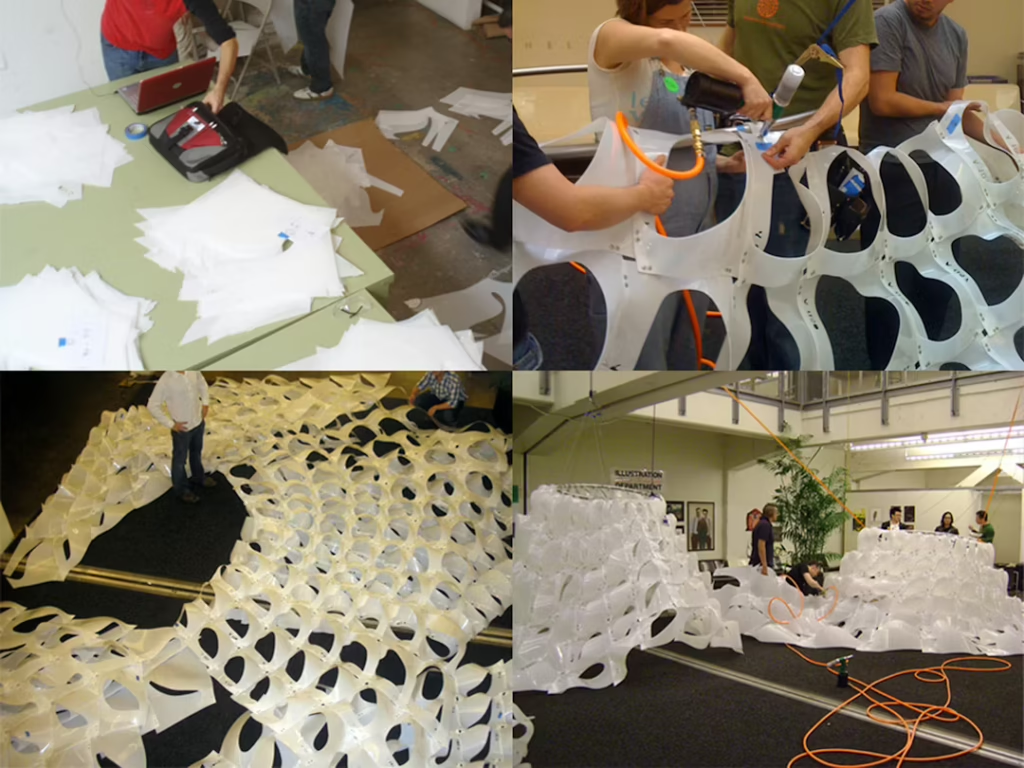
The canopy was created from HDPE plastic sheets, steel rivets and 4 rolled stainless steel tube shapes. The individual shapes were cut out and numbered in a 4' x 8' CNC machine and then riveted together to form the three cones. These were then connected to the stainless steel rings, joined to each other and suspended from the ceiling with steel cables. The "skirt" was then constructed by attaching the remaining HDPE pieces to the body with rivets and attaching the lower ring.